




Contributed by Felix Yu and Archita Tharanipathy, SAS Student Committee
Recently we had the pleasure to talk to Dr. Rachael Jack, the SAS president for 2025–2026. In this interview, Dr. Jack shared why she decided to join SAS in its early days and what has made SAS such a special community for affective scientists from all stages of their career—its emphasis on both scientific rigor and interpersonal warmth that encourage risk-taking and creativity. She also shared her vision for SAS and affective science in general as we come together and use our science to tackle global challenges. Below is the interview, and we hope you will enjoy this conversation with Dr. Jack as much as we did.
When and why did you join SAS?
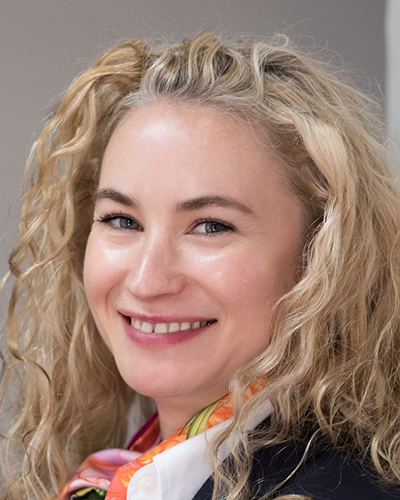
I joined SAS during its early growth, after hearing about a society that really wanted to do things differently. Because my work sits at the intersection of many fields, I often don’t fit neatly into any single disciplinary box. That’s why I’ve always been drawn to creative, organic, community-led environments that encourage thoughtful risk-taking—so SAS immediately sounded like a great fit. When I joined, the reality really did exceed the promise!
What struck me most was the people, and their immense commitment and positive energy to create something new, fresh, and meaningful. As I became more involved with the organization—particularly through working on the conference program committee—I was continually impressed by the generosity, thoughtfulness, and creativity of my colleagues. Being part of such a dedicated and inspiring group made SAS feel not just like a professional society, but like a true community. As they say, it takes a village—and we have a fantastic one.
What do you study, and has your own work been informed by SAS?
I study how humans communicate emotions through facial expressions, within and across cultures. We take an interdisciplinary approach, building 3D dynamic models of facial expressions using methods and concepts from social perception, vision science, data-driven modelling, computer graphics, and information theory. By developing these formal models, we can rigorously test existing theories and push them forward through discovery-led research. We can also use these models to help digital agents engage in more human-like emotion communication.
SAS has played a really important role in shaping this work. Even though I was initially something of an outsider to emotion science, I was welcomed into the community with open arms, which genuinely blew me away. Since then, SAS has been an instrumental platform for showcasing our work in a space where interdisciplinary research is not just accepted, but truly valued by a curious and thoughtful community. Presenting at SAS meetings has helped sharpen our theoretical thinking—it’s a tough crowd in the best possible way. That combination of high standards and genuine warmth creates an environment where you can really push your work to excel, while feeling supported, energised, and encouraged to take intellectual risks.
Why would you recommend being a SAS member?
What makes SAS special, in my view, is the balance it strikes between rigor and warmth. One thing I really value about SAS is that thoughtful risk-taking is the norm—new ideas are encouraged, you’re supported in trying them out, and it’s genuinely okay if things don’t work the first time. That sense of permission to explore, combined with a community that asks hard questions, makes the science more dynamic, creative, and ultimately stronger.
SAS is a society that takes science seriously while also caring deeply about the people doing that science. Creative and ambitious ideas are encouraged, interdisciplinary work is celebrated, and there’s a real sense of support across career stages. SAS isn’t just a place to present your work—it’s a place to have conversations, build collaborations, and feel part of a community. And importantly, SAS members are open, curious, enthusiastic—and a lot of fun.
Any special message to our current or potential members?
Mostly, I want to say thank you—and welcome. SAS is shaped by the people who make up its community, and its strength comes from their curiosity, generosity, and willingness to build something together. As President, my goal is to continue nurturing an environment that values interdisciplinarity, creativity, openness, and rigor, while growing our community both globally and across disciplines.
Maintaining that balance—between being rigorous and being warm, between encouraging risk-taking and holding high standards—takes real commitment and a lot of work. I’m deeply grateful to everyone who contributes to that fine balancing act. It’s also why we need more people to come along and help keep it going. Yes, it takes effort, but it’s absolutely worth it. Whether you’ve been part of SAS for years or are thinking about joining for the first time—we need you.
Is there anything else you would like to share?
Affective science feels especially important right now. As the world changes rapidly, our field is central to understanding emotion across humans, animals, and now artificial agents. SAS is in a unique position to help lead these conversations, and I’m excited about strengthening our international presence and building new partnerships to support that work. I’m deeply grateful to the SAS community for the trust and support it has shown me, and I’m very much looking forward to what we will continue to build together.